Lithium slurry dispersants: addressing the chemical challenges of Argentina’s mining boom
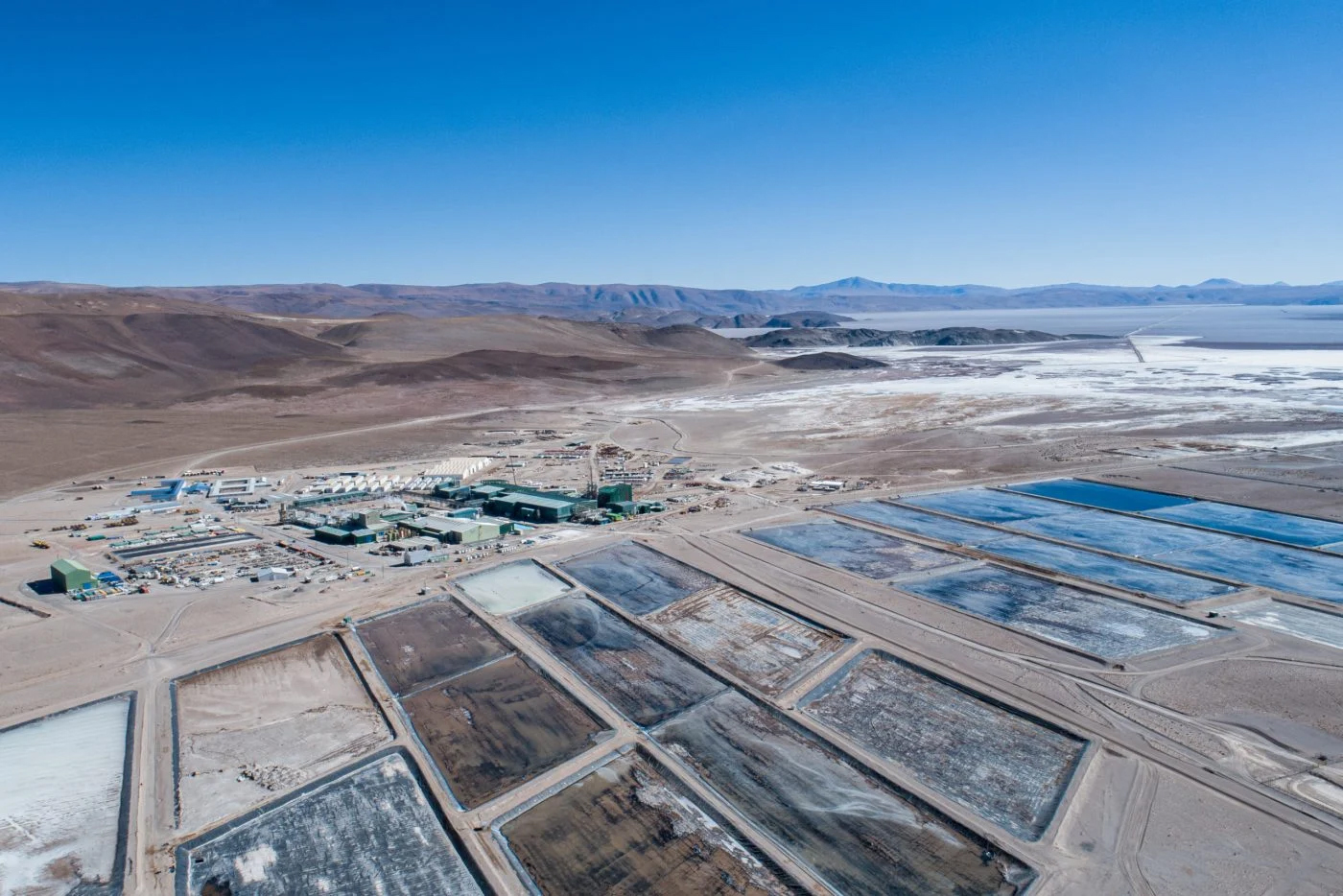
Lithium slurry dispersants are among the most critical chemical inputs in lithium mineral processing — and among the least discussed outside of plant operations. Argentina holds some of the world’s largest lithium reserves. The provinces of Jujuy, Salta and Catamarca form the heart of the Lithium Triangle, one of the most active mining regions on the planet. As extraction and processing operations have scaled up, specific technical challenges have emerged that standard chemical products — most of them formulated for European or North American conditions — simply cannot address effectively.
Two problems consistently affect plant performance: abnormally high slurry viscosity and accelerated scale formation. Both have a direct impact on energy consumption, equipment availability and overall process efficiency.
Why lithium slurries behave differently from other mineral pulps
Unlike most metallic mineral slurries, lithium pulps — whether from brine operations or hard rock spodumene processing — have an exceptionally aggressive ionic composition. High concentrations of calcium, magnesium, sodium and potassium ions create two simultaneous operational problems:
High slurry viscosity
As solids content increases, viscosity rises disproportionately. This drives up energy consumption in pumping and grinding circuits, reduces classifier performance and complicates thickener operation. In many plants, the default response is to dilute the slurry — which shifts the problem downstream to the water recovery circuit.
Accelerated scale formation
Carbonates and sulfates precipitate on equipment surfaces, pipelines and heat exchangers far faster than in conventional mineral processing. Without proper chemical treatment, partial blockages can develop within weeks of continuous operation, forcing unplanned shutdowns and costly maintenance interventions.
How polymer dispersants work in lithium slurry applications
Low molecular weight sodium polyacrylate dispersants are the most effective solution for addressing both problems simultaneously.
Their polymer chains adsorb onto the surface of mineral particles and generate electrostatic repulsion between them, reducing slurry viscosity without changing the solids content. At the same time, their carboxylate groups have a high affinity for calcium and magnesium ions in solution, acting as sequestrants that prevent scale precipitation.
The operational benefits observed in plant include:
- 20 to 40% viscosity reduction at constant solids concentration, enabling higher throughput without additional equipment investment
- Higher operational slurry density, improving thickener circuit efficiency and reducing the volume of water requiring recovery
- Reduced equipment cleaning frequency, with direct savings in downtime and labor costs
- Full compatibility with flotation reagents used in spodumene beneficiation
Scale inhibitors for high-salinity brine circuits
In lithium brine operations, scale formation is even more severe. Calcium sulfate and calcium carbonate concentrations in evaporation and crystallization circuits can exceed solubility limits several times over, producing hard, adherent deposits on all wetted surfaces.
Modern scale inhibitors combine polyacrylates with low molecular weight phosphonates. This combination produces a threshold effect: it works at very low dosages — typically between 5 and 20 ppm on the treated flow — by distorting the crystal growth of deposits and keeping them in suspension so they are carried away by the process stream.
Selecting the right scale inhibitor depends on operating pH, process temperature and the specific brine composition. For this reason, Kimiker always works with real process samples from the client before recommending a formulation.
“The same chemical principles apply to oilfield operations. See how we address scale formation in production lines in our article on chemical additives for Vaca Muerta.”
Formulations developed in Argentina for Argentine operating conditions
Most dispersants and scale inhibitors available in the local market are imported products, formulated for process conditions in Europe or North America. Argentine lithium plants operate with process water of a particular composition, with temperatures that vary significantly between winter and summer on the Puna plateau, and with the logistical constraints of operating in remote locations.
Kimiker develops and manufactures its polymer dispersants at its own production facility in Argentina, with the capability to adjust formulations to the specific requirements of each client. The validation process includes:
- Jar tests with real client slurry
- Compatibility evaluation with other reagents in the circuit
- Technical support during the industrial trial
This process ensures the product arrives at the plant already validated for real operating conditions — not generic laboratory benchmarks.
How to start a dispersant evaluation for your lithium plant
The process is straightforward. The client sends a sample of their slurry or brine with process conditions (pH, temperature, solids content, approximate composition). Kimiker’s technical team develops a base formulation, prepares a product sample and sends it at no charge for plant-level evaluation.
If results are satisfactory, the process scales to continuous supply, with delivery in 1,000-liter IBCs or 200-liter drums directly to the plant.
For technical inquiries or to request an evaluation sample:
📧 contacto@kimiker.com.ar 📞 +54 9 11 3288 3191 🌐 kimiker.com.ar
Kimiker SRL — Industrial Chemical Products Av. Rodríguez Peña 3355, San Martín, Buenos Aires, Argentina.